Dental implants in Miami
Replacing one tooth, several, or a whole arch. We explain what an implant is, how long it takes, what it costs and what happens if you are short of bone.
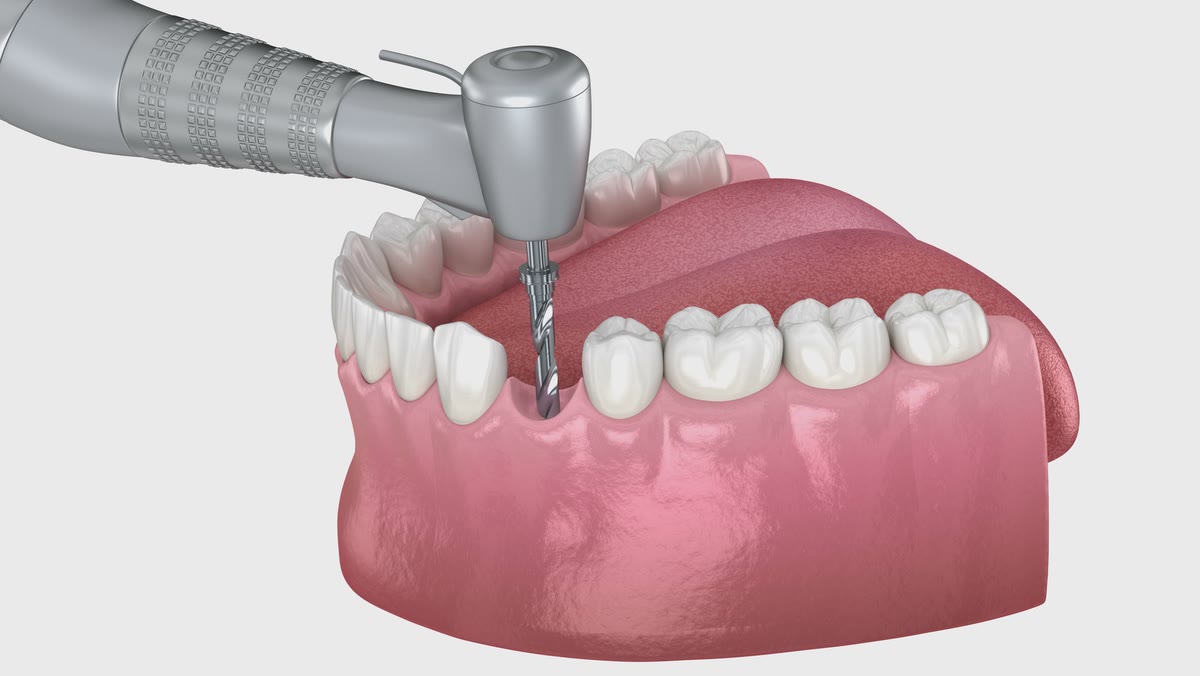 Single implant: how it is placedPress to watch the video right here.Watch on YouTube
What an implant actually is
A dental implant is a titanium screw that acts as a root. It is placed in the bone of the lower or upper jaw and, over time, the bone grows onto it. On top goes an abutment, which is the connecting piece, and on the abutment the crown, which is the tooth you see and chew with.
Osseointegration is the word you will hear in the office. It simply means the bone has taken hold of the implant. It is what lets it withstand the force of chewing, and it is also the reason for the several-month wait.Who it makes sense for
- You are missing a tooth and do not want the neighbouring ones filed down for a bridge.
- You wear a removable denture and are tired of it moving, rubbing or coming loose when you eat.
- You have lost several teeth and want to chew normally again.
- You have had a tooth taken out and want to avoid the bone in that area shrinking away.
How it will go, visit by visit
And if I am short of bone
It is one of the questions we get most, usually after somewhere else has said it “can’t be done”. In most cases it can, along a slightly longer road: a bone graft adds bone to the area, and in the upper jaw a sinus lift is sometimes done to gain height.
The 3D scan at the first visit is exactly what answers this question in your particular case. And if operating genuinely is not advisable, we will say so just as clearly.
What to expect afterwards
During the procedure the area is numb. You will feel pressure and you will hear the instruments — that surprises almost everyone — but it is not pain. Afterwards, most people describe it as soreness rather than sharp pain. It is usually worst about six hours later, swelling peaks at two days, and by the third day most people manage on over-the-counter painkillers.
- Swelling and soreness for the first few days, manageable with the medication we prescribe.
- A soft diet for a while. We give you a specific list of what to eat, not a vague “eat soft things”.
- A direct number in case something does not go as expected, including the weekend after.
- Follow-ups included in the price: we are not going to charge you to check our own work.
The numbers, not rounded up
The industry tends to advertise “98% success”. That figure mixes two different things: survival means the implant is still in the mouth, while success means it is also healthy and functioning. Survival always comes out higher. These are the published figures, without picking the most flattering one:
- At ten years, survival is around 93% – 96% depending on the analysis; the honest spread across studies runs from 91.5% to 99.4%.
- In patients aged 65 and over the figure drops to about 91.5%. If you are in that group, that is the number that applies to you.
- About one in four implant patients develops peri-implantitis at some point. That is why maintenance visits are not optional.
- The crown on top is a wearing part. The titanium may outlast the teeth it carries, and that has to be budgeted for.
What the result looks like
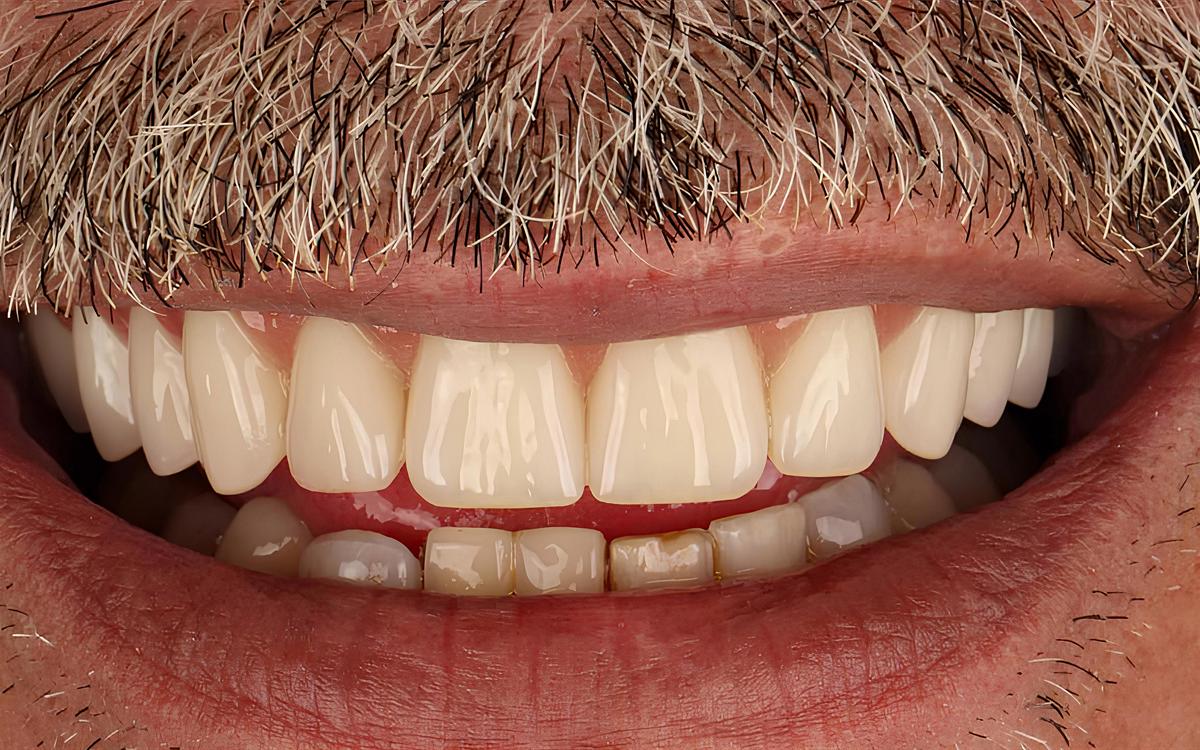
What changes with a full arch on implants, in three steps: the mouth before, the X-ray with the implants in place, and the result.
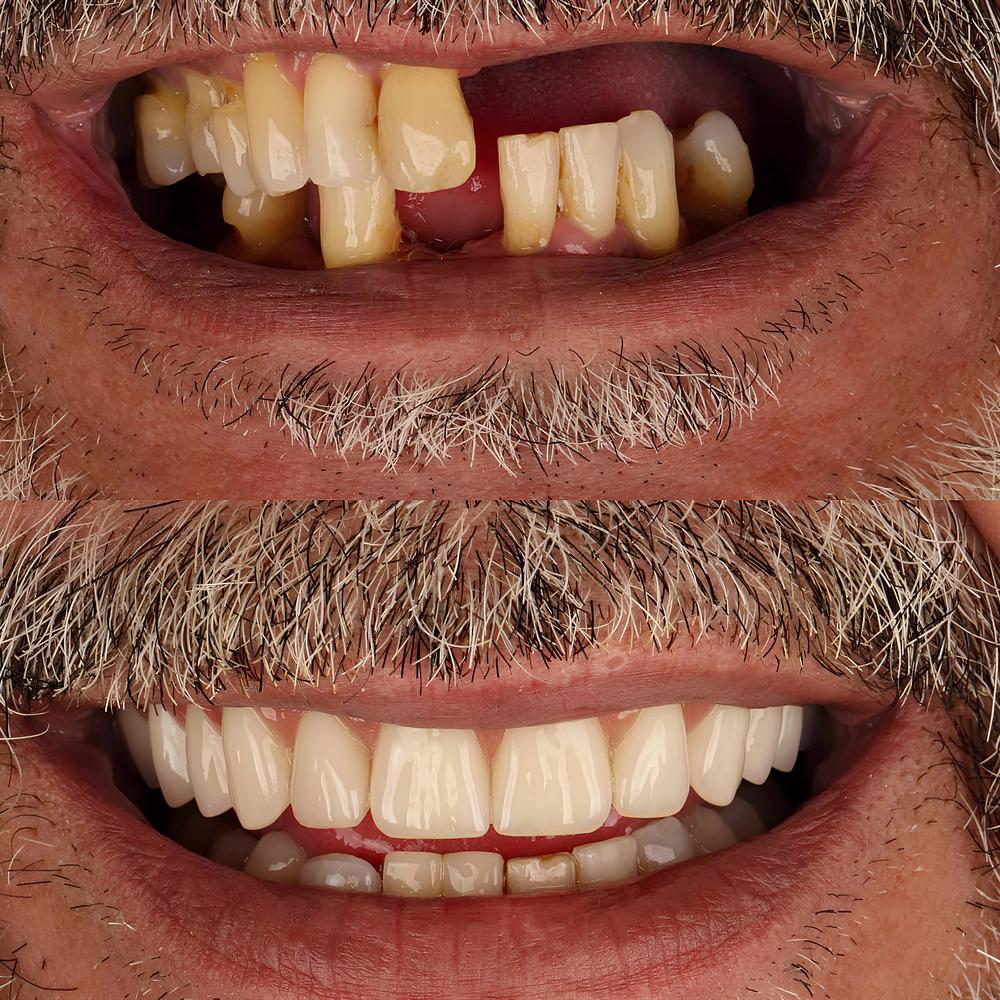
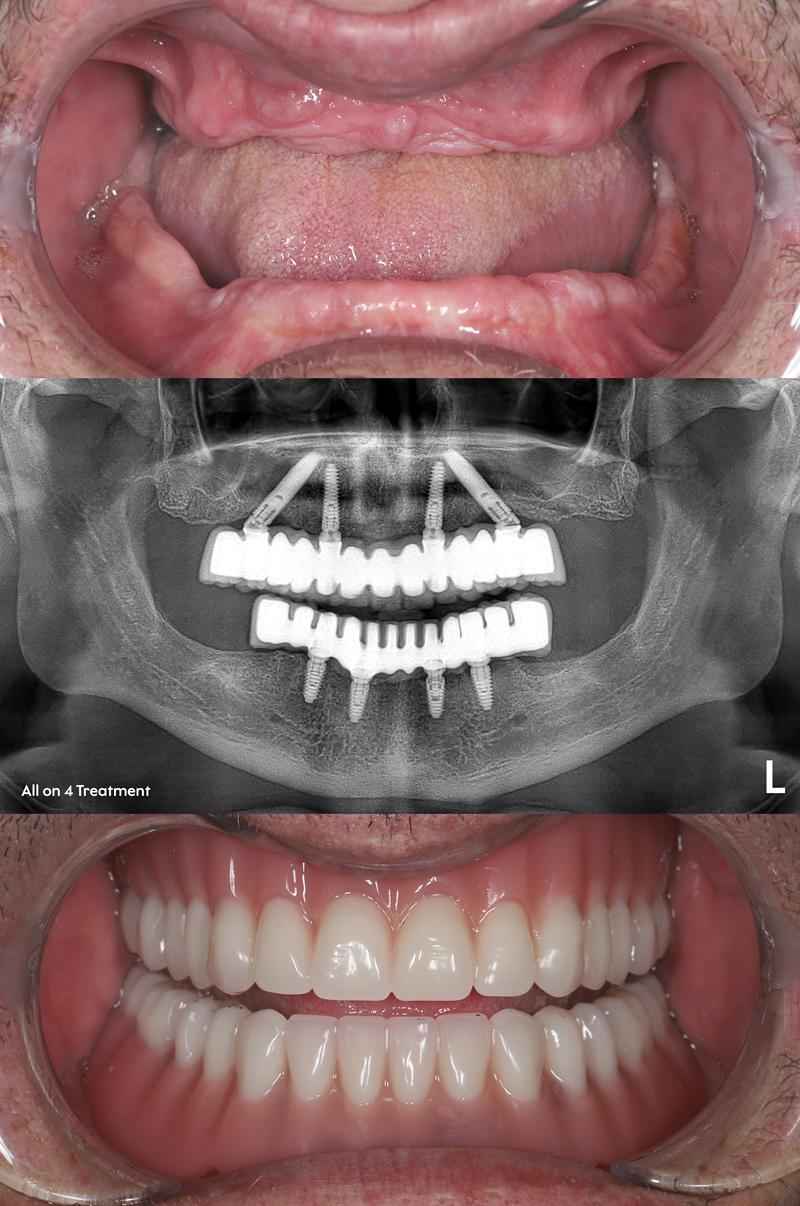
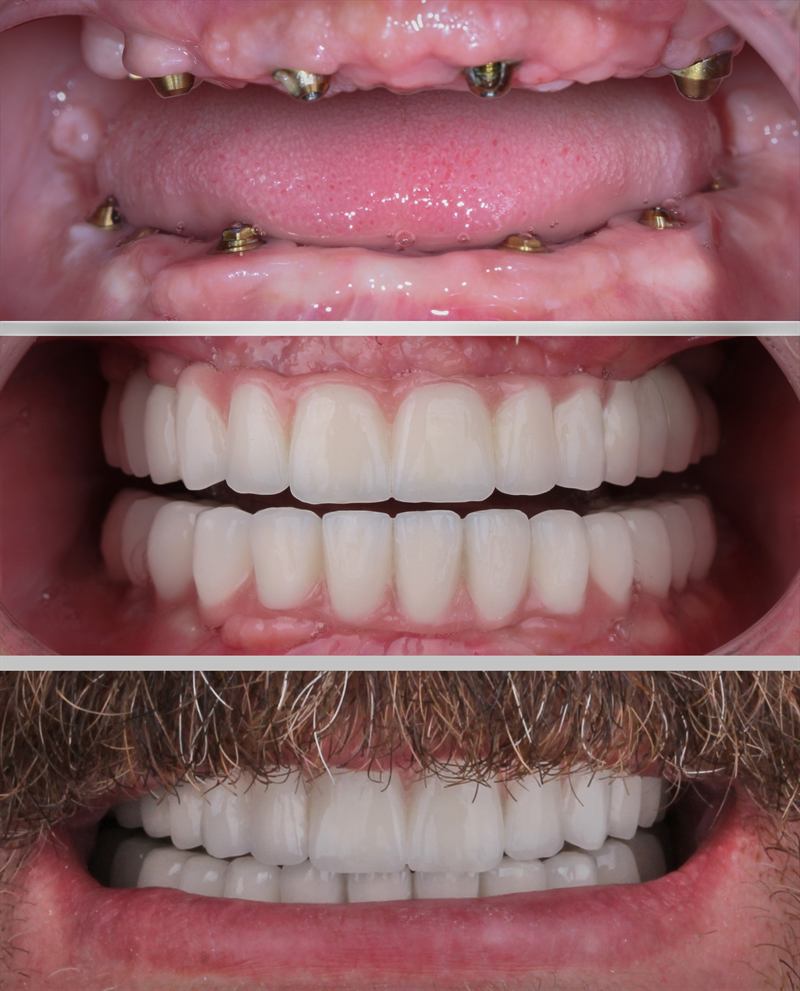
Illustrative stock images. They are not Estelar Dental patients or results from this practice, and every case is different: yours is assessed at the first visit.
Other treatments
Fixed full arch
All the upper or lower teeth on implants, fixed in place. They do not come out at night and need no adhesive.
Estimated$15,000 – $24,000per archSee detailsFor dentures that slip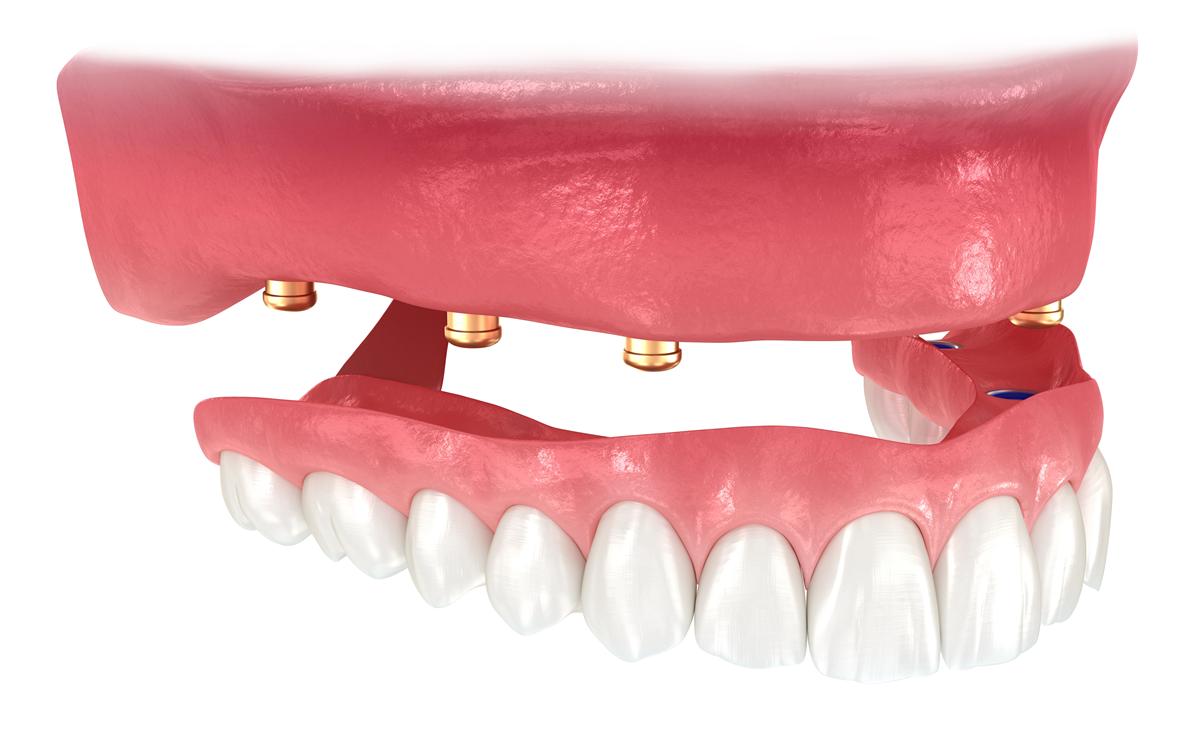
Implant-retained overdenture
Your denture anchors onto three or four implants and stops shifting when you eat. You still take it out to clean it, but it no longer moves on its own.
Estimated$8,000 – $9,995per archSee details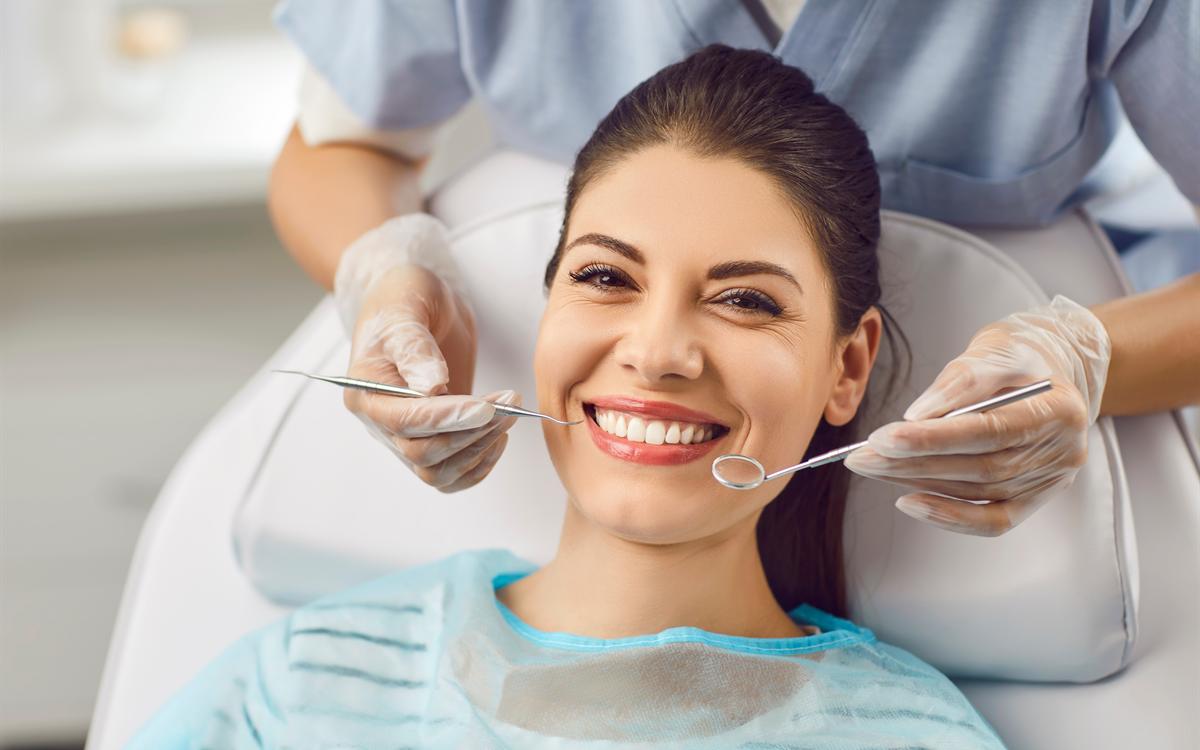
Exam and X-rays
The first general dentistry visit. We check the whole mouth, take the basic X-rays that are needed and tell you what we found. The 3D scan is separate.
Starting at$35first visitSee details