Fillings
Removing the decay and replacing what was lost with a tooth-coloured material. One visit, and the problem stops growing.
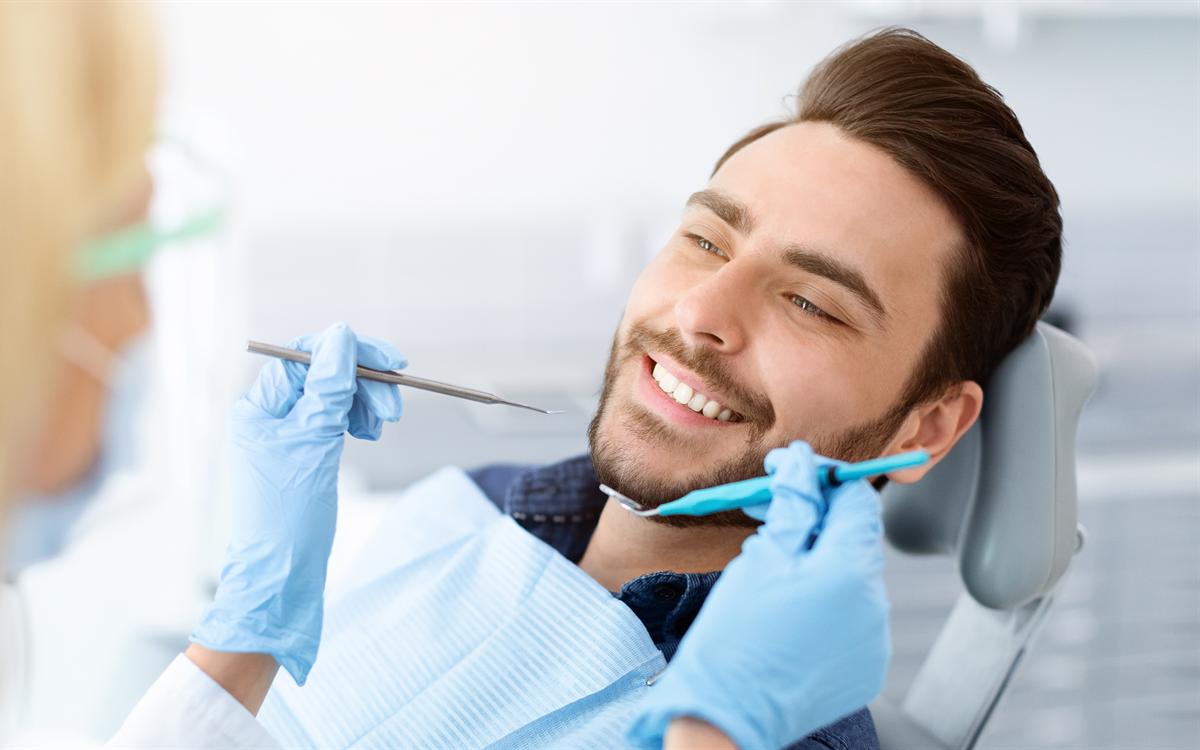
What a filling is
Decay is tooth tissue destroyed by bacteria. It does not grow back and it does not stop on its own. A filling means taking that part away and filling the gap with a material that bonds to the tooth and stands up to chewing.
It is done under local anaesthetic and in a single visit. Most patients eat normally the same day, being careful to wait until the anaesthetic wears off.
Tooth-coloured, not silver
We use composite, which bonds to the tooth and is matched to the shade of your enamel. Silver amalgam held by shape rather than adhesion, and meant cutting away more healthy tooth than necessary.
On badly damaged molars, sometimes the better option is not a filling but an inlay or a crown. We will tell you so with the price of both in front of you.
How it will go, visit by visit
When a filling is no longer enough
If the decay has reached the nerve, a root canal is needed before rebuilding. If very little healthy tooth is left, a large filling fractures when you bite and costs more in the long run than a crown would have.
Why we keep on about the check-up. This same cavity, caught in time, is $180. A year later it can be a root canal plus a crown, and that is around $2,000. It is not a sales line: it is the arithmetic.Other treatments

Dental implants
A titanium screw replaces the root of the tooth. You chew and clean it like a natural tooth, and it looks like one.
Starting at$1,500per implant · abutment and crown separateSee details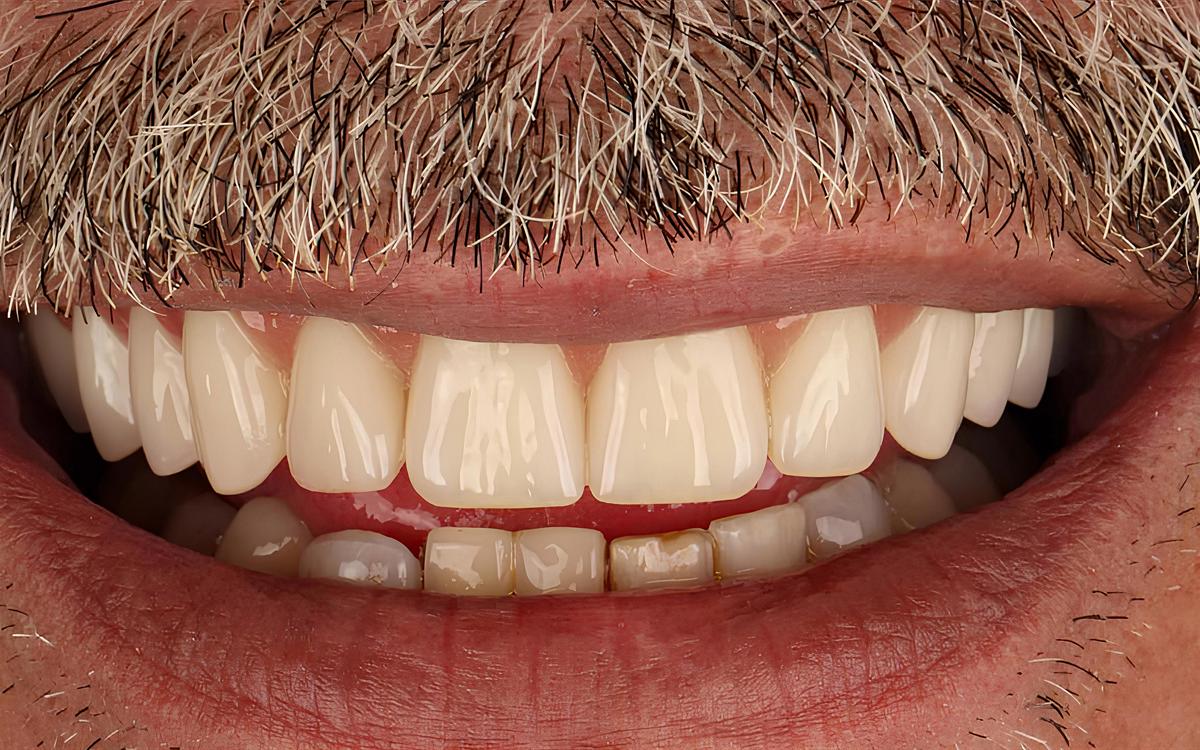
Fixed full arch
All the upper or lower teeth on implants, fixed in place. They do not come out at night and need no adhesive.
Estimated$15,000 – $24,000per archSee detailsFor dentures that slip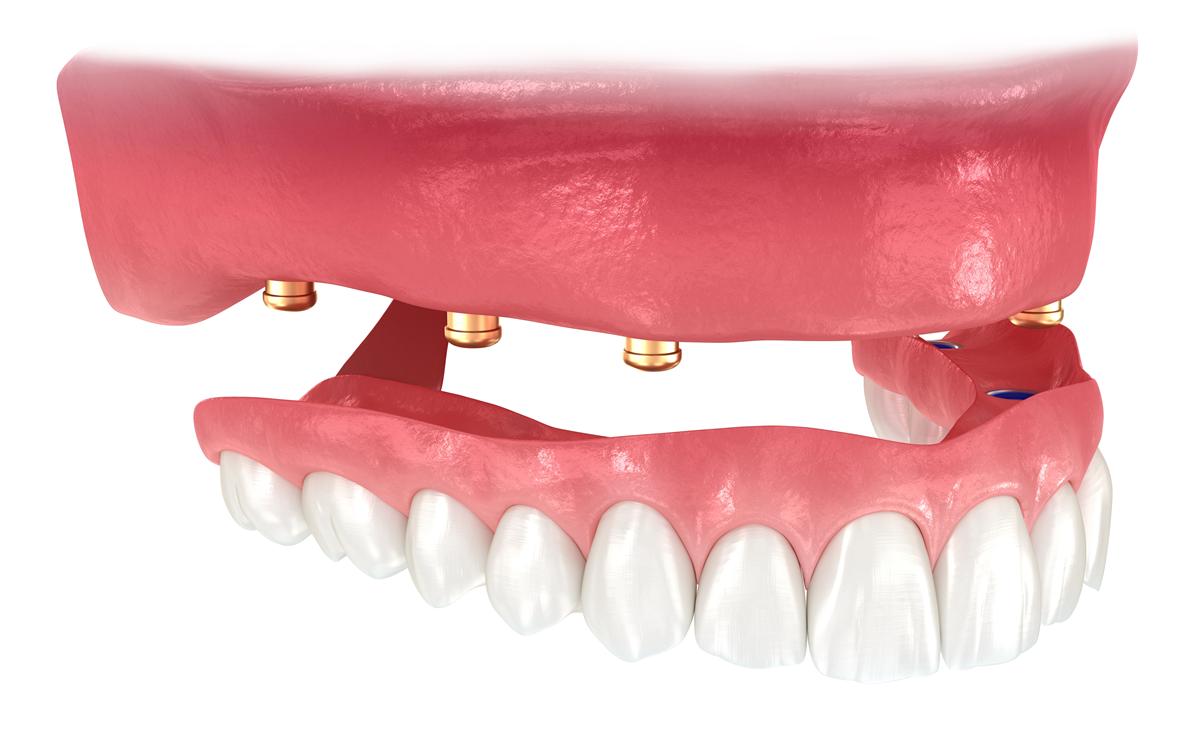
Implant-retained overdenture
Your denture anchors onto three or four implants and stops shifting when you eat. You still take it out to clean it, but it no longer moves on its own.
Estimated$8,000 – $9,995per archSee details